
Weather

Mount Kailash and Mansarovar Weather Overview
Mount Kailash and the Mansarovar region experience typical high-altitude Tibetan plateau weather, characterized by:
Strong Sunshine: Due to the high elevation and thin atmosphere, the sun’s rays are intense. Sunglasses, sunscreen, and protective clothing are essential.
Cold and Dry Air: The air remains dry throughout the year with very low humidity. Windchill can make the temperature feel colder than it is.
Sudden Weather Changes: Weather can shift rapidly—sunshine can quickly give way to snow flurries or cold winds, even in summer. It’s important to pack warm layers and waterproof gear.
Winter (November to April): Winters are extremely cold, with temperatures dropping well below freezing (as low as -20°C / -4°F). Heavy snowfall makes travel nearly impossible during this period, and most routes are closed.
Best Time to Visit Kailash Mansarovar Yatra
The ideal time to embark on the Kailash Mansarovar Yatra and perform the sacred Kailash Parikrama is during the summer months, from May to early October. This period offers the most favorable conditions for travelers and pilgrims, making the journey more comfortable and spiritually enriching.
Why Summer is the Best Time:
Pleasant Temperature: During summer, the daytime temperature at Mount Kailash averages above 10°C (50°F). While it can still be chilly in the mornings and evenings, it is significantly more bearable than the harsh winter months.
Higher Oxygen Levels: The warmer months bring relatively higher oxygen content, which is crucial since the region lies at high altitudes (above 4,500 meters or 15,000 feet). This makes acclimatization easier and reduces the risk of altitude sickness.
Clear Views: Summer skies are mostly clear, offering breathtaking views of the snow-clad Mount Kailash and the pristine Mansarovar Lake. This is perfect for spiritual reflection, meditation, and photography.
Pilgrimage Season: This is the peak pilgrimage season, attracting thousands of devotees from around the world. Many spiritual festivals and rituals are observed during this time, adding to the sacred atmosphere of the journey.
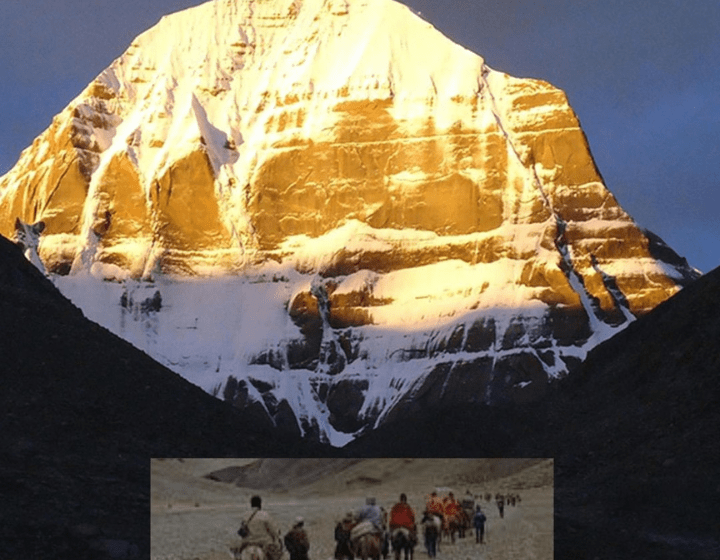
Mount Kailash Weather Overview (May–October)
| Month | Avg. Day Temp | Avg. Night Temp | Weather Conditions | Key Notes for Yatris |
|---|---|---|---|---|
| May | 8°C to 15°C | -5°C to 0°C | Cold, windy, dry | Start of Yatra season. Snow may still be on passes. |
| June | 10°C to 18°C | 0°C to 5°C | Cool, dry, sunny | Clear skies, comfortable for trekking. |
| July | 12°C to 20°C | 3°C to 7°C | Mild rain, occasional cloud cover | Monsoon starts; paths may be muddy. |
| August | 12°C to 18°C | 2°C to 6°C | Intermittent showers, cloudy | Green landscapes, but rain gear is necessary. |
| September | 10°C to 17°C | 0°C to 4°C | Clear, dry, windy | Post-monsoon; ideal for Parikrama. |
| October | 5°C to 12°C | -5°C to 0°C | Cold, dry, crisp air | End of Yatra season. Days short, nights freezing. |
🌬️ Additional Weather Notes:
Oxygen Level: 50–60% of sea level; always be prepared for high-altitude symptoms.
UV Exposure: Extremely high—carry UV-protected sunglasses and sunscreen.
Wind Chill: Can make real feel colder than measured temperature—layering is essential.